
Accessible passenger information by design
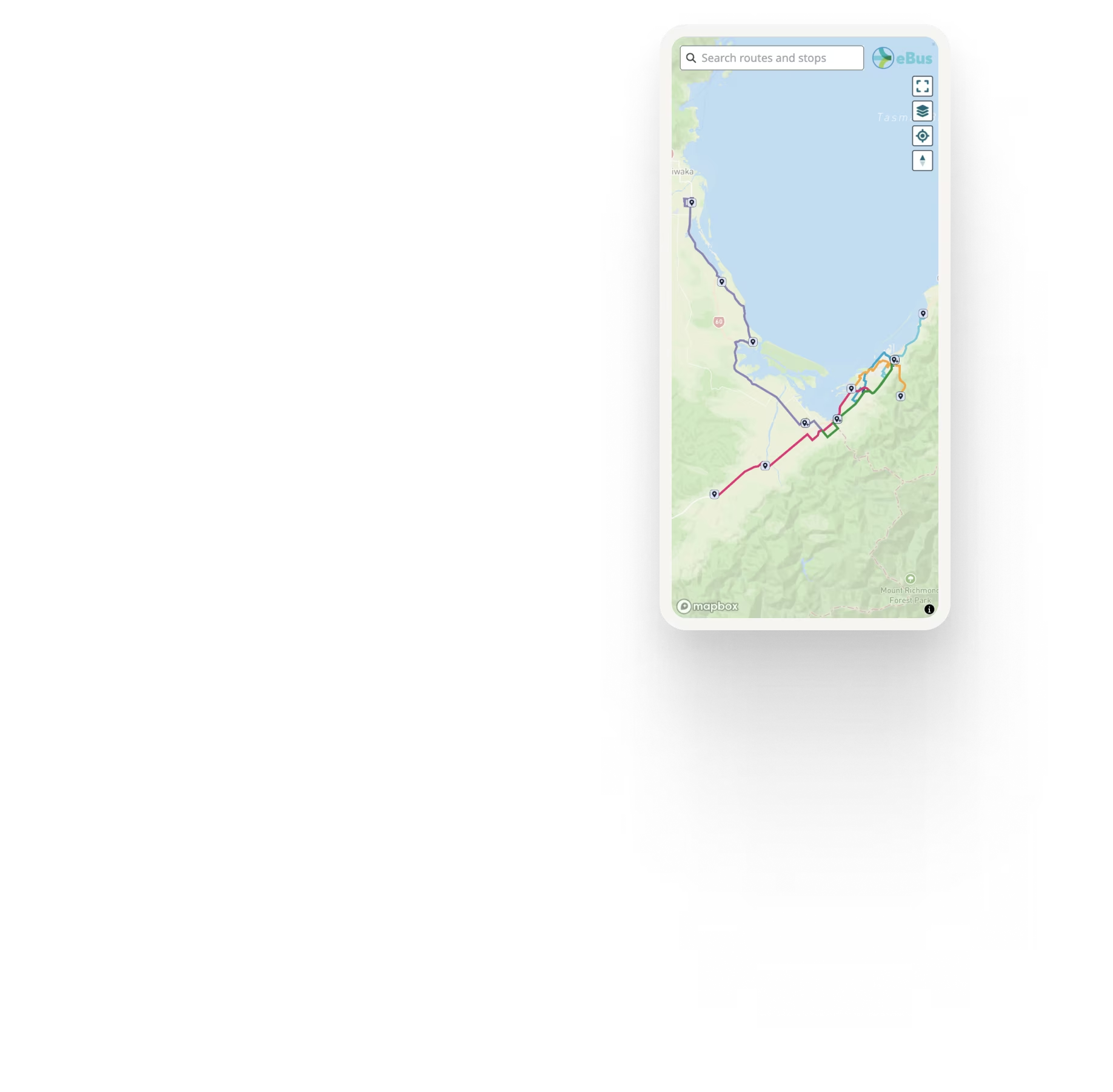
Ride Guide is designed to help transit agencies provide clear, structured passenger information that supports WCAG 2.2 Level AA accessibility requirements.
Maps, timetables, service alerts and other rider tools are built with accessibility in mind, helping agencies modernize passenger information without introducing unnecessary accessibility barriers.


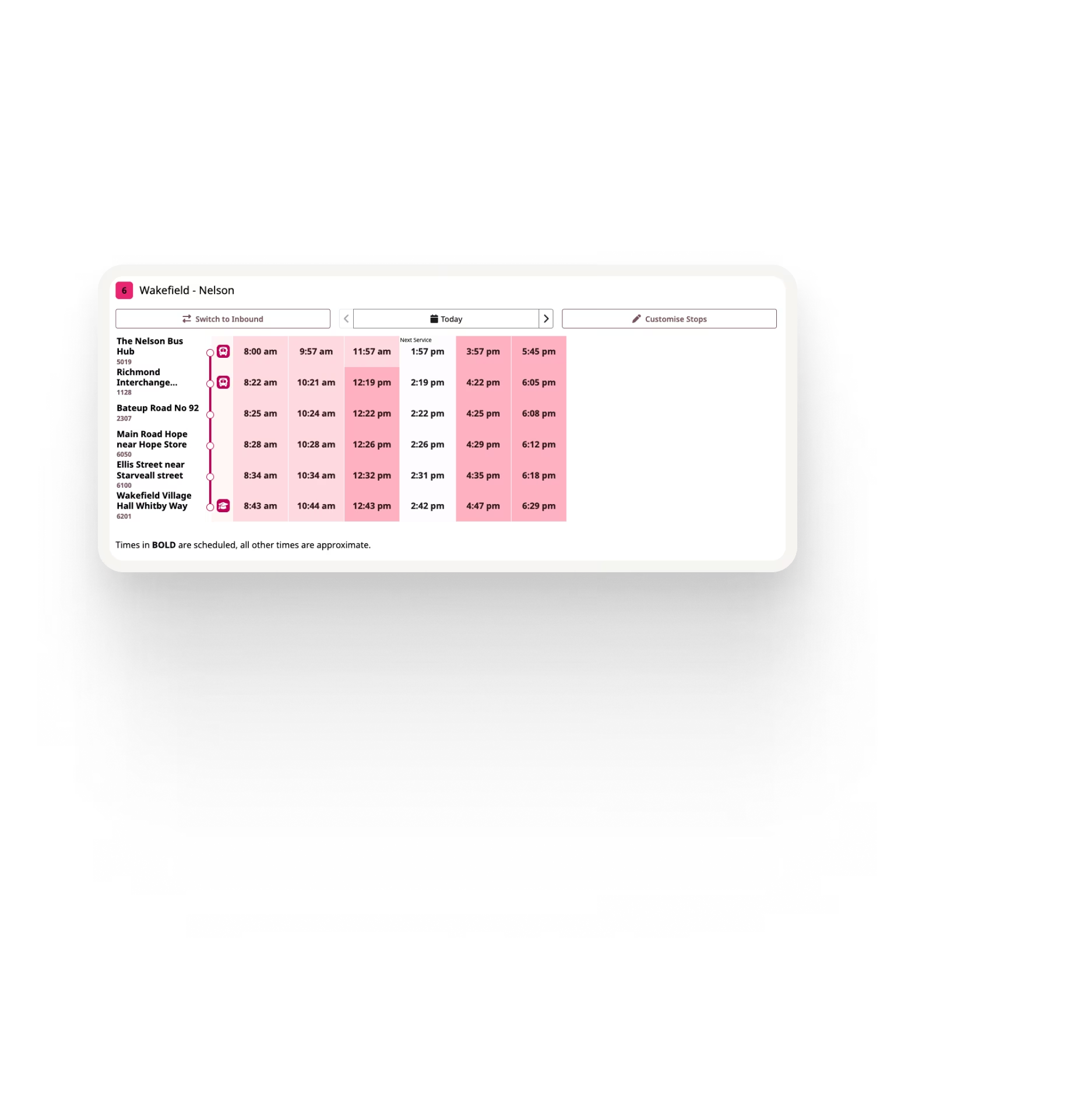
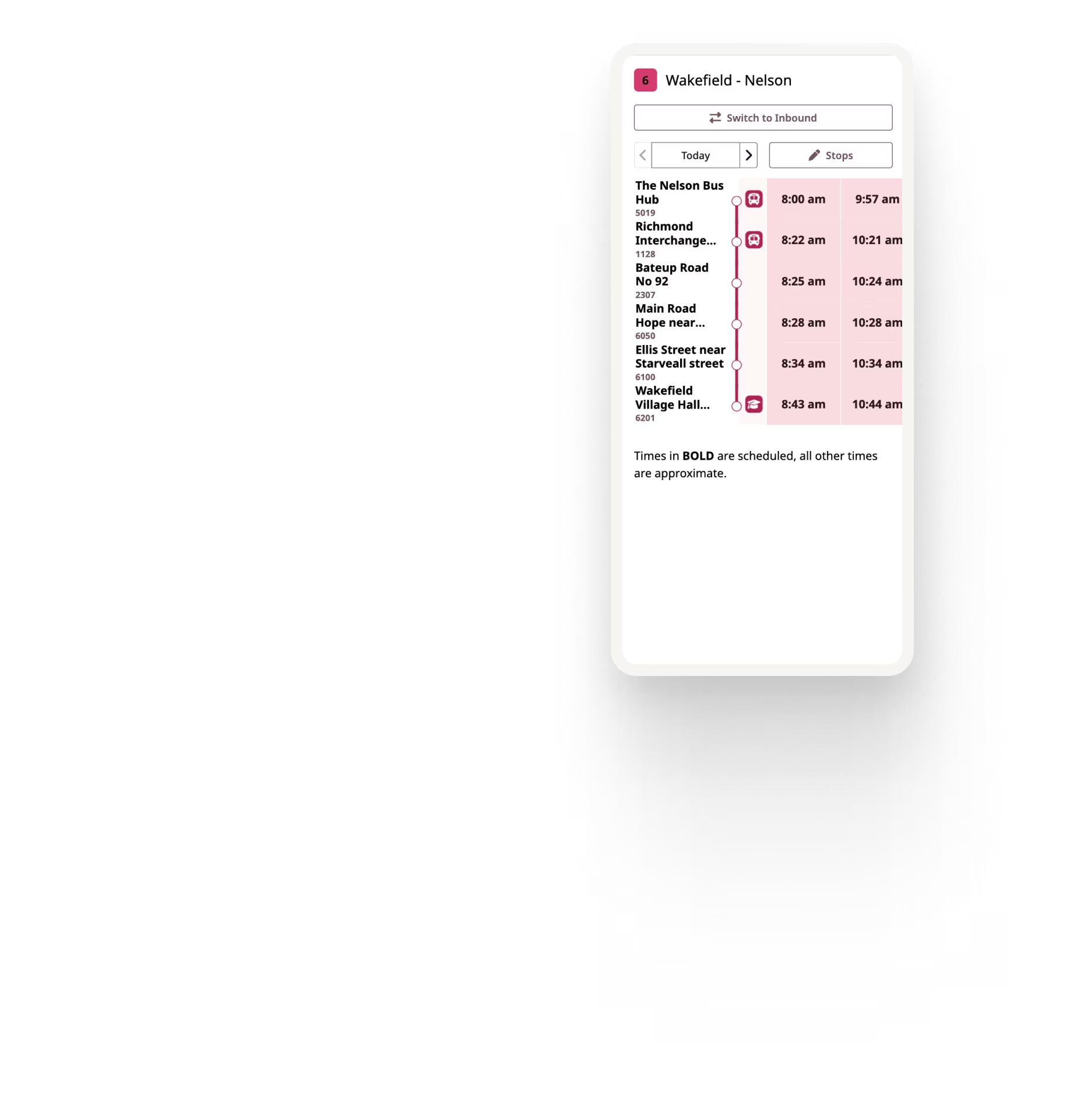
Accessibility matters more than ever
The U.S. Department of Justice's 2024 ADA Title II rule requires public agencies to ensure their websites and digital services meet WCAG 2.1 Level AA accessibility standards. For transit agencies, that includes passenger-facing information such as route maps, timetables, service alerts and trip-planning tools.
That may include:
Route maps or timetables published only as images
Embedded maps where accessibility has never been assessed
HTML timetables that are not structured correctly for screen readers
PDFs that have not been tested for screen-reader accessibility
Other vendors transit tools that were not designed to meet accessibility standards.
Ride Guide is designed and maintained to meet WCAG 2.2 Level AA, going beyond the WCAG 2.1 Level AA standard currently specified by the ADA Title II rule.
That includes:
Keyboard-accessible navigation and controls
Screen-reader compatible interfaces
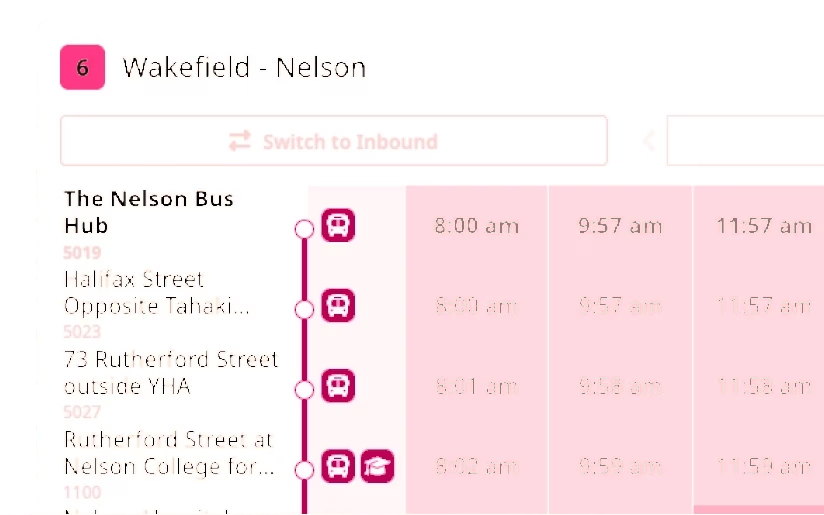
Semantic HTML for timetable information
Appropriate colour contrast
Interfaces that remain usable at 200% browser zoom
Ride Guide provides modern transit tools designed around accessibility from the outset, helping agencies replace passenger information that may no longer meet the standard expected of public-sector digital services.
Built around WCAG accessibility principles
Perceivable
Passenger information is available in structured formats rather than relying solely on visual presentation.
Operable
Ride Guide interfaces are designed to work without requiring a mouse, including keyboard navigation, logical focus behaviour and accessible map controls.
Understandable
Routes, timetables, controls and service information are presented using clear and consistent structures to make passenger information easier to navigate and understand.
Robust
Ride Guide uses semantic HTML and accessible interface patterns to support screen readers and other assistive technologies.

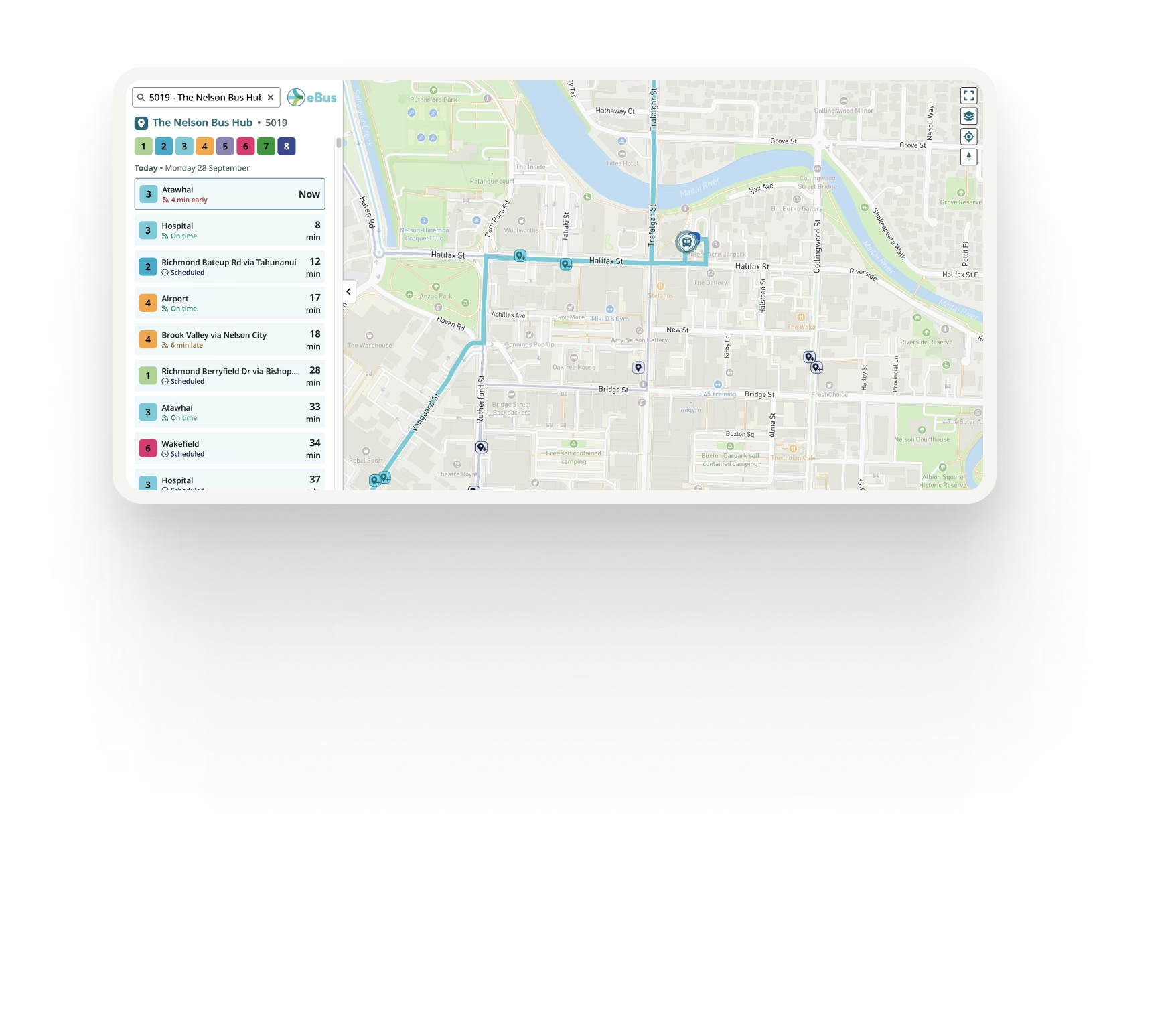
Designed for keyboard and screen-reader use
Accessibility is built into the core Ride Guide interface.
This includes:
Keyboard operation without requiring a mouse
Logical tab order and visible focus indicators
Labelled buttons and controls
Screen-reader compatible interactive elements
Appropriate announcements for dynamic content
Predictable focus behaviour
Built for different screens and viewing needs
Ride Guide interfaces are designed to remain usable across desktop and mobile devices and when users increase browser zoom.
Layouts are designed to remain usable at 200% browser zoom and at small viewport widths, with appropriate text contrast and responsive behaviour.
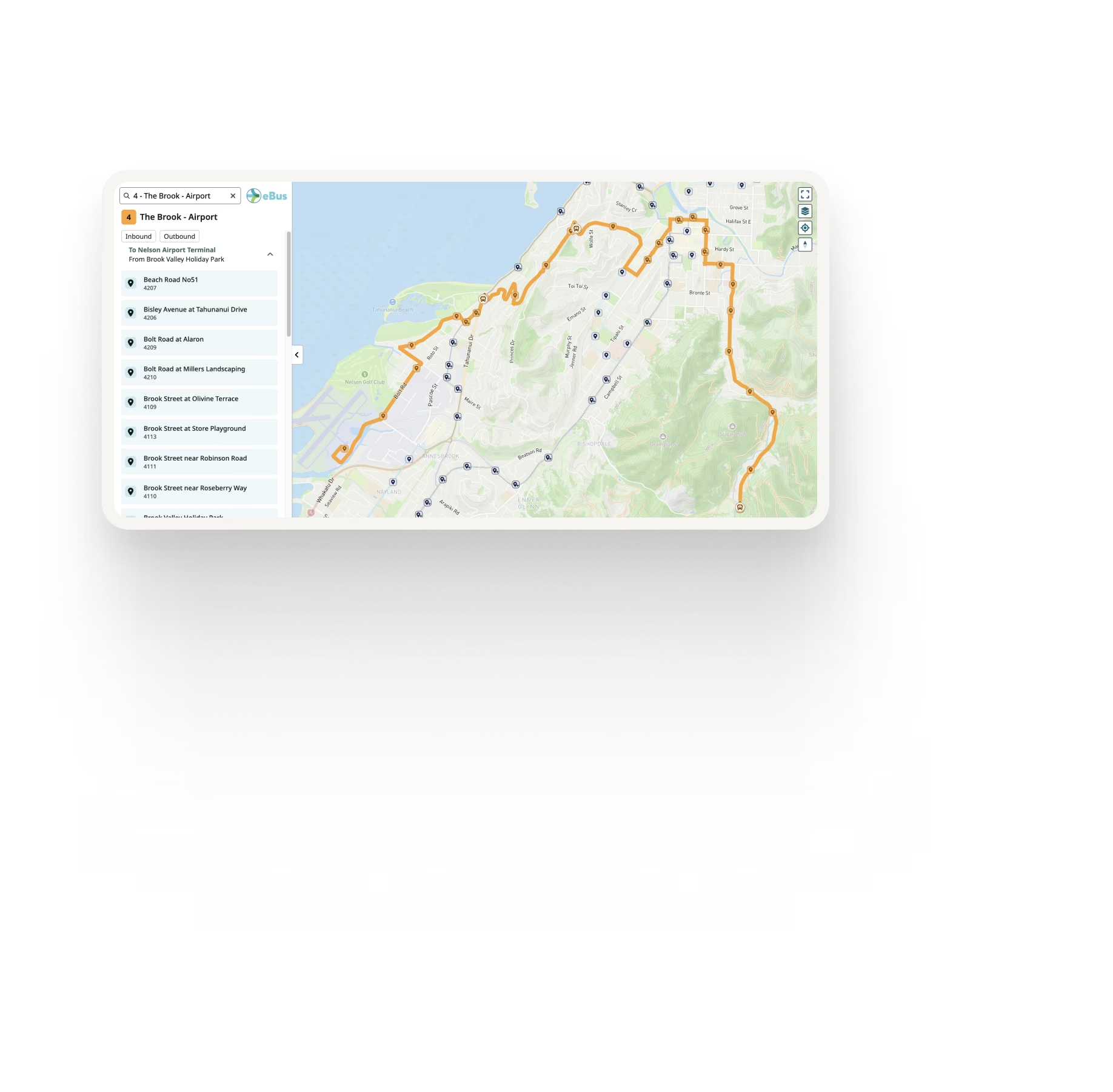
Supporting your accessibility review
Not sure how accessible your current transit information is? We can help.
Get in touch for a free assessment of your existing passenger information tools, including maps, timetables, service alerts and PDFs, against key WCAG 2.2 Level AA requirements.
For agencies wanting a broader view, we also offer a transit website accessibility review focused on WCAG 2.2 Level AA.
Ride Guide can then help modernize the passenger-information areas that need attention, replacing inaccessible or difficult-to-maintain tools with accessible maps, timetables and service information designed to meet WCAG 2.2 Level AA.


Free assessment
Maps
Timetables
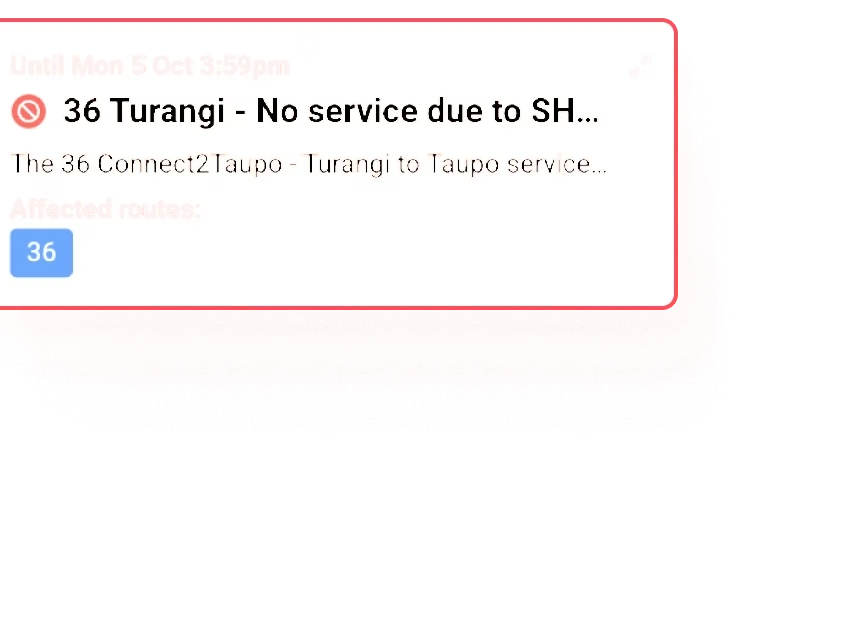
Service alerts
PDFs
Against key WCAG 2.2 Level AA requirements

See Ride Guide using your network
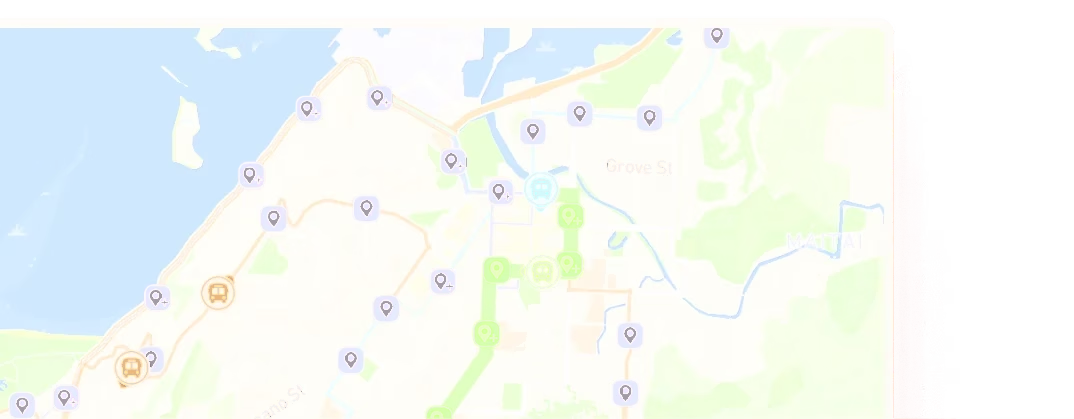
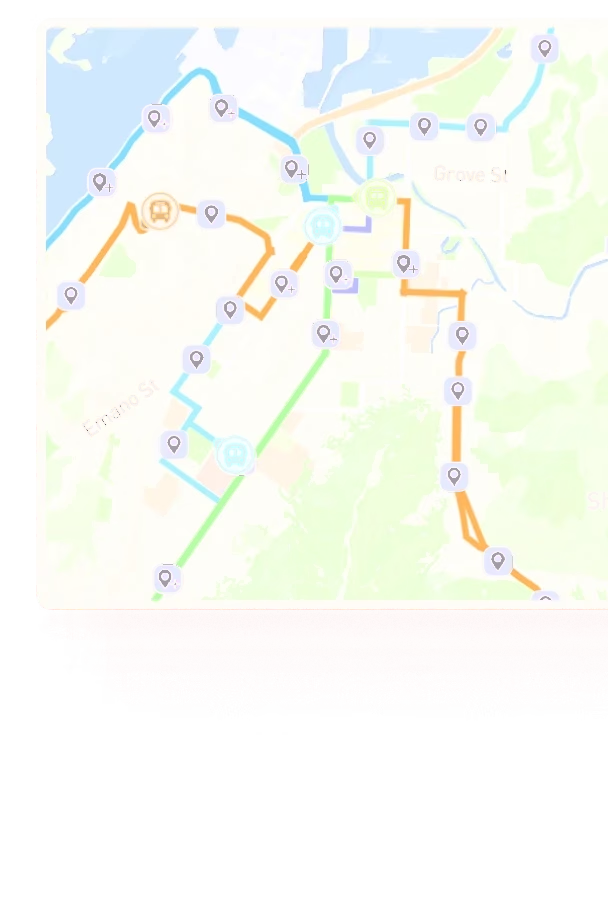
Share your GTFS feed and we'll show you how Ride Guide could work with your network.